PVC windows don't need painting, but they're not entirely care-free either. What to do, with what, how often, and what never to do.
One of the main reasons people choose PVC is that there's no sanding and no painting. That's true. But "maintenance-free" doesn't mean "no attention at all", a few small things each year make the difference between a window that works like new after fifteen years and one that squeaks, sticks and lets in draughts.
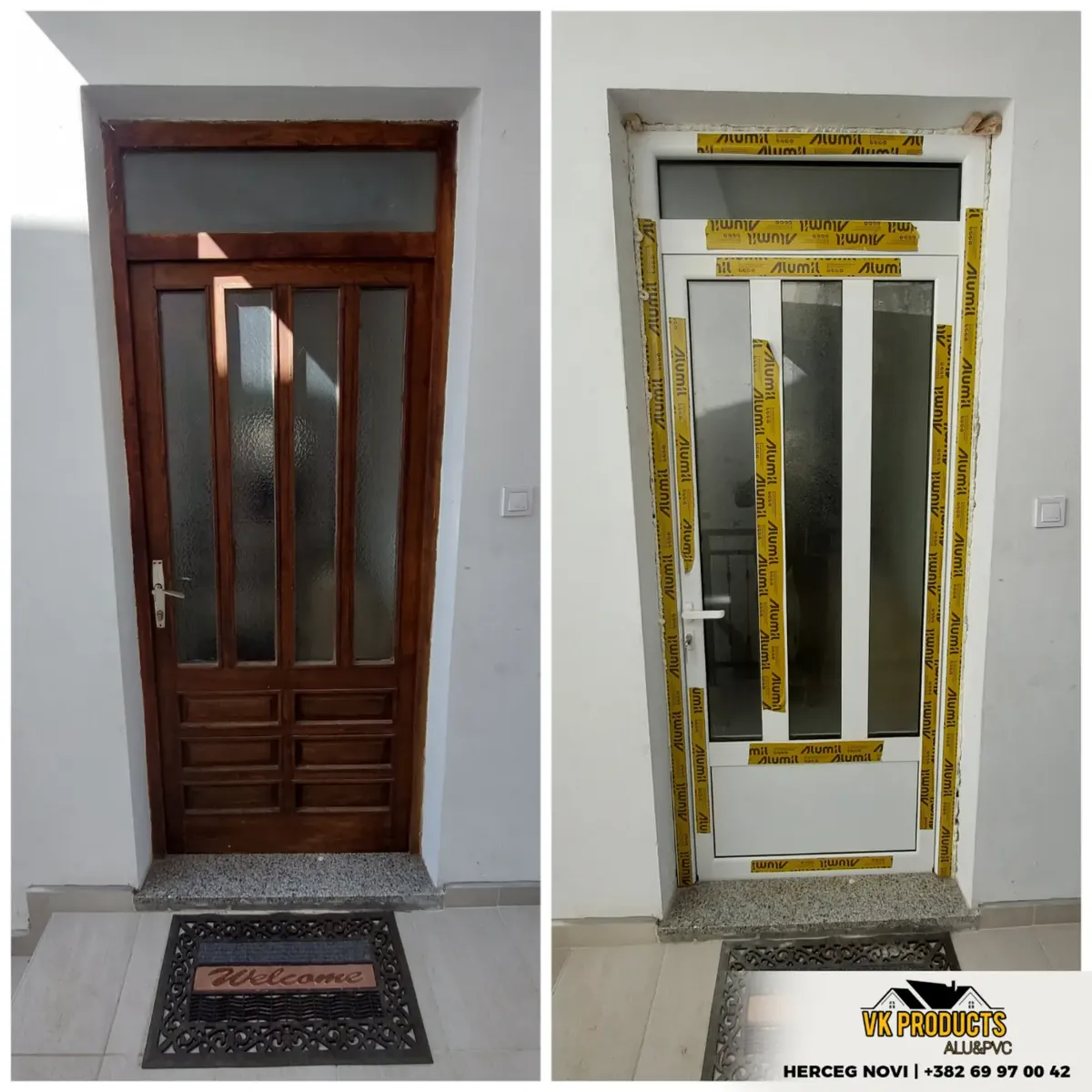
Straight after installation: remove the protective film
New profiles come with a protective film. Peel it off as soon as the work around the window is finished. Under coastal sun the film bakes onto the frame within a few weeks and later comes off only with difficulty, in small pieces.
Frame and glass
Dust and rain marks come off the frame with a soft cloth and mild detergent diluted in water. Wash the glass with clean warm water and a glass cloth, nothing more is needed.
If your windows face the sea, rinse them with plain water a few times a year. Wind-blown salt doesn't damage PVC, but it sticks to seals and hardware and gradually makes opening harder.
Never use
- products containing solvents, acetone, thinners, petrol;
- abrasive cleaners and scouring powders;
- wire brushes, rough sponges, sharp objects or scrapers.
All of these leave scratches or dull patches that can't be repaired.
Hardware: a drop of oil once a year
At least once a year, put a drop of oil on the moving parts of the hardware, where metal parts rub against each other, and on the locking points of the sash. Then open and close the window a few times to spread it. Wipe off any excess.
Seals
Wipe the rubber seals around the sash with a damp cloth and once a year treat them with a silicone-based product. That keeps them soft, sealing well and stops them sticking to the frame.
Don't forget the drainage slots
At the bottom of the frame there are small slots that let water out. If they clog with dust or leaves, water stays inside the profile. Check them when you clean the windows and clear them with a toothpick.
When to call a technician
If a sash sticks, is hard to lock or suddenly lets in air, don't force it. In most cases the hardware just needs adjusting, a few minutes' work for someone who knows what they're doing. Get in touch and we'll arrange a service visit.